Swiss Train Map PDF: A Comprehensive Guide
Switzerland’s rail network is extensive, and a PDF map from SBB (CFF/FFS) is invaluable for planning journeys․ These maps, updated as of August 2024, detail train routes, railways, and connections․
Understanding the Swiss Train System
Switzerland boasts one of the most efficient and punctual public transportation systems globally, centered around its extensive railway network․ Operated primarily by SBB (Schweizerische Bundesbahnen), also known as CFF (Chemins de fer fédéraux suisses) and FFS (Ferrovie federali svizzere), the system integrates trains, buses (PostBus), boats, and even funiculars․
The network is categorized into long-distance (Intercity, IR/RE), regional, and local (S-Bahn) services, ensuring comprehensive coverage across the country․ Understanding these distinctions is crucial for efficient travel planning․ Long-distance trains require seat reservations and often supplements, particularly for premium panoramic trains like the Glacier Express and Bernina Express․
Furthermore, many cities offer free public transport for their residents and visitors, enhancing accessibility․ The SBB network map, available as a PDF, visually represents these connections, though it’s important to note that due to space constraints, not all lines are depicted․ Always check for potential alterations and utilize official SBB resources for the most up-to-date information․
SBB Network Maps and Availability
SBB provides several network maps, catering to different needs and levels of detail․ The primary long-distance service network map (SBB-FV-CH-IR-A1-25-en L-05) is a key resource, showcasing Intercity (IC), InterRegio (IR), and Regional train routes․ These maps are readily available as PDF downloads from the official SBB website (www․sbb․ch) and partner sites like trafimage․ch and evoq․ch․
These maps are typically updated bi-annually, with the most recent version dated August 2024․ While comprehensive, it’s important to acknowledge that due to spatial limitations, not every single line is indicated on the map․ For a more granular view of local S-Bahn networks, separate regional maps are often available․
Digital versions of the maps are preferred for their accessibility and ease of use, but printed copies can also be obtained at SBB travel centers․ Remember to always consult the latest version, as the network is subject to alterations and ongoing improvements․ The phrase “We connect Switzerland” encapsulates SBB’s commitment to nationwide accessibility․
Downloading the Official SBB Map PDF
Obtaining the official SBB network map in PDF format is a straightforward process․ The primary source is the SBB website, www․sbb․ch, where you can navigate to the “Travel Information” or “Network Maps” section․ Direct links to the PDF downloads are frequently provided on partner websites such as trafimage․ch and evoq․ch, offering convenient alternatives․
Typically, the map is available in multiple languages, including English, French, and German․ Ensure you select the English version (SBB-FV-CH-IR-A1-25-en L-05 is a common file name) for ease of understanding․ The download is usually a single PDF file, easily opened with standard PDF viewers like Adobe Acrobat Reader․
The file size is relatively small, ensuring a quick download even on slower internet connections․ It’s recommended to periodically check for updated versions, as the network undergoes changes․ Saving the PDF to your device allows for offline access during your travels throughout Switzerland, proving invaluable when planning routes or navigating stations․
Key Features of the Swiss Train Map

The official SBB network map is a detailed representation of Switzerland’s comprehensive public transport system․ A prominent feature is the clear distinction between long-distance (IC, IR, RE) train lines and the extensive S-Bahn (local) networks․ The map visually indicates the integration of PostBus routes, showcasing the interconnectedness of transport options․
Symbols are used to differentiate between various modes of transport, including railways, buses, cable cars, and funiculars – like the Stoos railways․ The legend explains these symbols, ensuring easy interpretation․ The map also highlights panoramic trains such as the Glacier Express, Bernina Express, and Gotthard Panorama Express, indicating routes requiring reservations․
Areas offering free public transport within cities are often denoted, alongside information regarding Swiss Travel Pass validity․ While incredibly detailed, the map acknowledges limitations, stating that not all lines are indicated due to space constraints, and alterations are always possible․ It’s a vital tool for navigating Switzerland by public transport․
Intercity (IC) Train Routes
Intercity (IC) trains form the backbone of Switzerland’s long-distance rail network, prominently displayed on the SBB map․ These routes connect major cities and towns, offering frequent and fast service across the country․ Key IC lines radiate from hubs like Zurich, Bern, Geneva, and Basel, extending to destinations in all cantons․
The map illustrates how IC trains often serve as connectors to regional networks, allowing seamless transfers to IR/RE trains or S-Bahn lines․ You’ll find routes extending internationally, linking Switzerland to neighboring countries like Germany, France, Italy, and Austria, with stops like Mulhouse, Ravensburg, and Überlingen clearly marked․
The SBB map doesn’t detail every single stop on each IC route, but it provides a clear overview of the primary connections․ Remember that some IC trains, particularly panoramic options, require seat reservations and may incur supplemental charges․ The map serves as a starting point for detailed timetable checks on the SBB website or app․
Regional Train (IR/RE) Networks
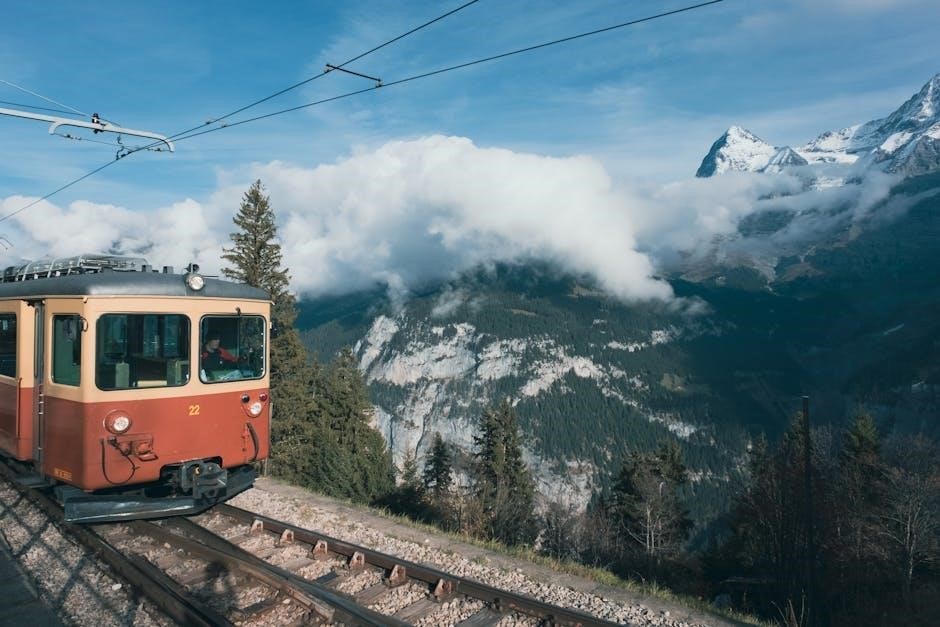
InterRegio (IR) and Regional trains (RE) are crucial for connecting smaller towns and cities not directly served by the high-speed IC network, and are comprehensively shown on the SBB map․ These trains provide vital links within cantons and between neighboring regions, offering a more localized transport solution․
The SBB map visually demonstrates how IR/RE lines often branch off from IC routes, creating a dense network that covers much of Switzerland․ These trains frequently serve as feeders to the IC system, enabling passengers to reach larger transportation hubs for onward travel․ The map highlights key regional centers connected by these services․
While the map may not list every single station on each IR/RE line due to space constraints, it clearly indicates the general routes and connections․ It’s important to note that IR/RE trains generally do not require reservations, but can become crowded during peak hours․ Always consult the SBB timetable for precise schedules and potential service alterations․
S-Bahn Networks: Local Transport
Switzerland’s S-Bahn networks represent the backbone of local public transport, extending beyond the reach of InterCity and Regional trains․ The SBB map, while not detailing every stop, illustrates the core routes and coverage areas of these vital commuter services․ These networks are particularly prominent around major cities like Zurich, Geneva, and Basel․
S-Bahn trains are designed for frequent stops and short distances, connecting suburban areas and smaller towns to urban centers․ The map shows how S-Bahn lines often integrate with other modes of transport, including trams, buses, and even PostBus routes, creating a seamless travel experience․ They are essential for daily commutes and local exploration․
The SBB map uses specific symbols to differentiate S-Bahn lines from other train services․ Generally, no seat reservations are required on S-Bahn trains, but they can be very busy during rush hour․ Remember that free travel on urban public transport, including S-Bahn within city limits, is often included with a Swiss Travel Pass․
Panoramic Trains: Glacier Express, Bernina Express & Gotthard Panorama Express
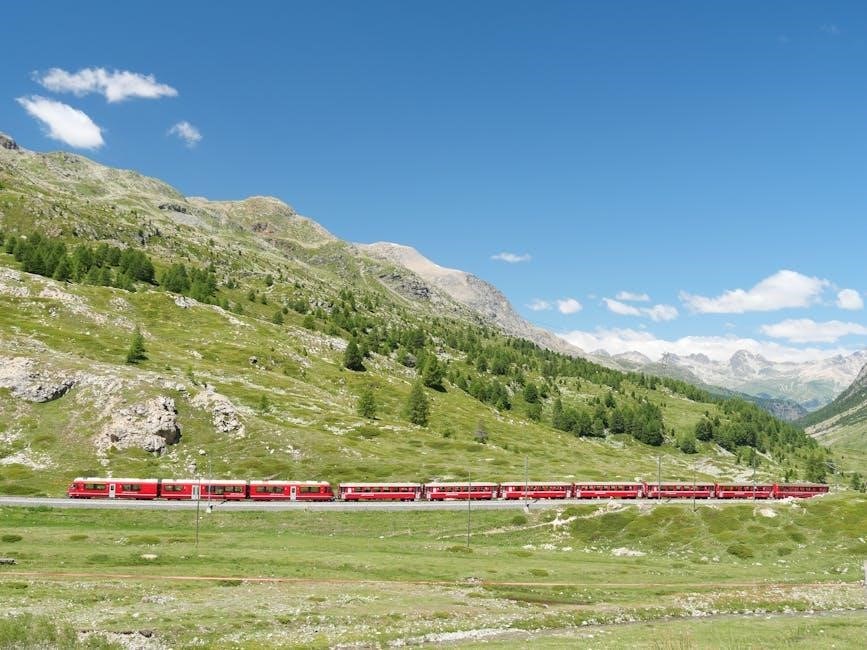
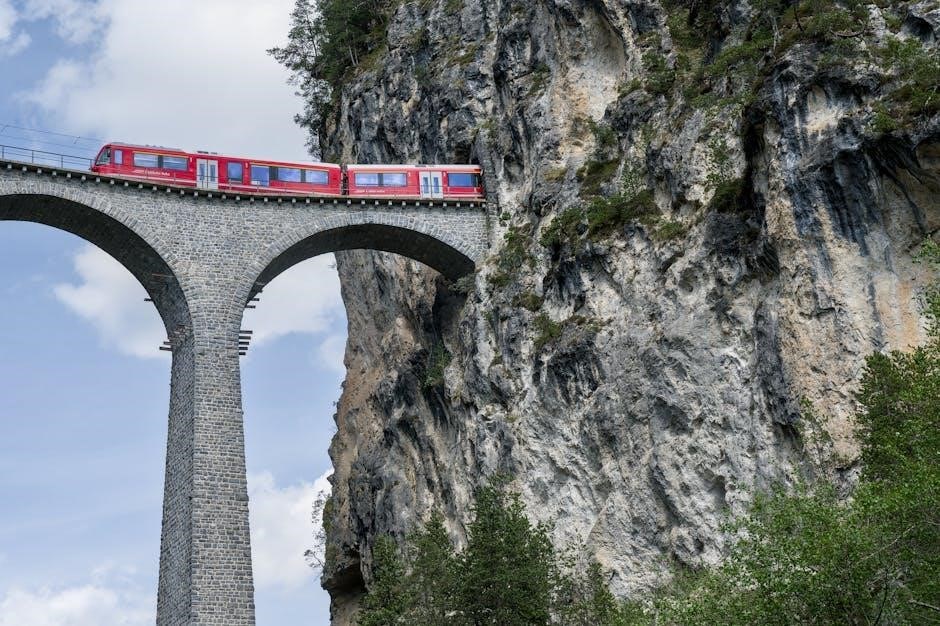
Switzerland is renowned for its scenic train journeys, and the SBB map highlights the routes of its premium panoramic trains: the Glacier Express, Bernina Express, and Gotthard Panorama Express․ These aren’t simply transport; they are experiences in themselves, offering breathtaking views of the Swiss Alps and landscapes․
The map indicates the primary routes of these trains, though it doesn’t detail every stop․ Crucially, the map doesn’t show that a seat reservation is required to travel on these services, and often a supplement is also necessary․ These trains are popular, so booking in advance is highly recommended․
The Glacier Express, known as the “slowest express train in the world,” connects Zermatt and St․ Moritz․ The Bernina Express crosses the Alps, offering stunning views, and the Gotthard Panorama Express showcases central Switzerland’s beauty․ The SBB map is a starting point, but dedicated brochures provide more detailed schedules and information about these exceptional journeys․
Seat Reservations and Supplements
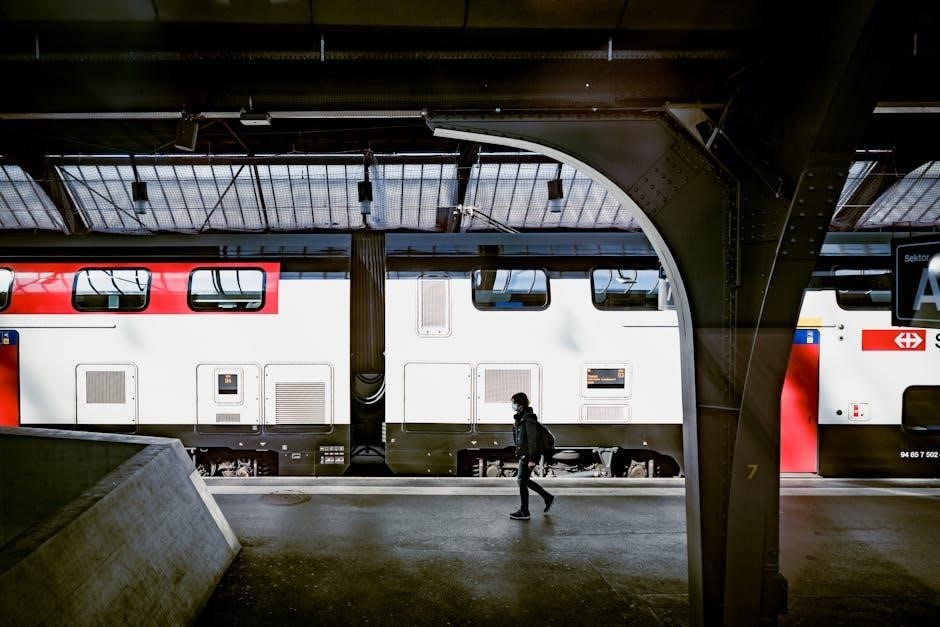
While the SBB map PDF provides a comprehensive overview of the Swiss rail network, it doesn’t explicitly detail the requirements for seat reservations and supplemental charges․ It’s crucial to understand that these are often necessary, particularly on long-distance and popular routes․

The map doesn’t indicate which trains require reservations, but services like the Glacier Express, Bernina Express, and Gotthard Panorama Express always necessitate a pre-booked seat, along with a supplementary fee․ Certain other trains and even some buses/boats may also fall into this category․
The SBB map serves as a route guide, but for reservation details and supplement costs, consulting the SBB website or app is essential․ These additional costs aren’t reflected on the map itself․ Failing to reserve a seat on a required service could result in being unable to board․ Remember to check the specific conditions for your chosen route to avoid unexpected expenses or travel disruptions․
Understanding Swiss Travel Pass Validity
The official SBB map PDF, while excellent for visualizing the Swiss rail network, doesn’t illustrate the specific validity zones of the Swiss Travel Pass․ However, understanding this validity is key to maximizing the map’s usefulness․ The map shows all lines, but not which are covered by your pass․
Generally, the Swiss Travel Pass grants free travel on trains, buses, and boats throughout Switzerland․ This includes regional trains (IR/RE) and S-Bahn networks, as depicted on the map․ Importantly, the pass also extends to many urban public transport systems, offering free travel within cities – a benefit not directly shown on the map․
However, some premium panoramic trains (Glacier Express, Bernina Express) require a supplement even with a Swiss Travel Pass․ The map doesn’t detail these exceptions․ Furthermore, certain PostBus routes may also necessitate an additional fee․ Always verify pass validity for specific routes via the SBB website or app alongside referencing the map․
Free Public Transport in Cities
While the SBB map PDF primarily focuses on the national rail network – trains, railways, and long-distance routes – it doesn’t explicitly highlight the extensive free public transport available in Swiss cities․ This is a significant benefit for travelers, complementing the map’s core function․
A Swiss Travel Pass, or even a Half-Fare card, often includes unlimited access to urban transport networks like trams, buses, and local city trains․ This means you can seamlessly connect from a national train route (shown on the map) to explore a city center without additional ticketing․ Cities like Zurich, Geneva, and Bern offer comprehensive coverage․
The map illustrates the broader connectivity, but you’ll need to consult city-specific transport maps for detailed route information within urban areas․ Remember, the SBB map shows the arrival points at these cities, allowing you to plan onward travel using local networks․ This integration enhances the overall travel experience, making Switzerland exceptionally accessible․
Special Train Routes: Chocolate Train & Palm Express
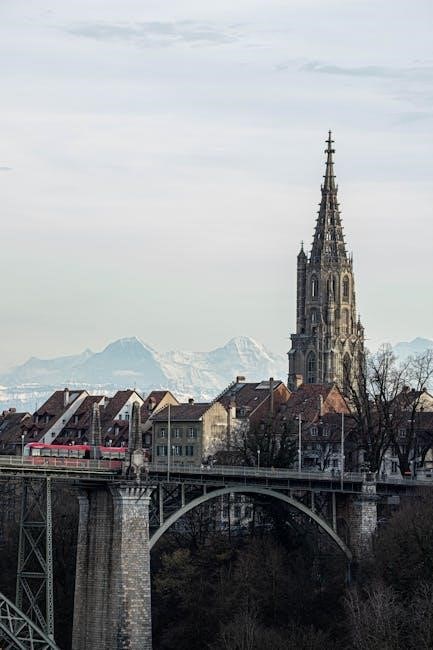
The official SBB map PDF, while comprehensive for standard rail networks, doesn’t dedicate specific detail to scenic or themed train routes like the Swiss Chocolate Train or the Palm Express․ However, it provides the foundational network understanding needed to connect to these experiences․
These special routes, often requiring reservations and/or supplements, are best viewed as additions to a core journey planned using the SBB map․ The map will show the originating and terminating stations for these routes, allowing you to integrate them into a larger itinerary․ For example, the Chocolate Train connects Montreux, Gruyères, and Broc․
Information regarding these unique trains – including schedules, pricing, and reservation requirements – is typically found on separate websites or through SBB’s dedicated panoramic trains section․ The SBB map serves as a crucial starting point, illustrating the broader Swiss rail infrastructure and enabling seamless connections to these delightful excursions․ Remember to check for potential alterations․
Funiculars and Mountain Railways (Stoosbahn Example)
The standard SBB map PDF primarily focuses on the extensive train network, but it also indicates the presence of funiculars and mountain railways, crucial for accessing higher-altitude destinations within Switzerland․ However, detailed route specifics for these systems aren’t always prominently displayed․
Consider the Stoosbahn as a prime example․ While the SBB map will show Schwyz as a connection point, it won’t detail the funicular’s unique characteristics – like being the steepest funicular in the world – or its specific timetable․ The map illustrates the connection to the funicular station, enabling onward travel to the car-free village of Stoos․
For detailed information on funiculars and mountain railways, supplementary resources are essential․ These include regional tourism websites and the websites of the individual transport operators․ The SBB map provides the foundational context, showing how these smaller networks integrate with the broader Swiss public transport system, including PostBus routes․ Always be aware of potential alterations․
PostBus Routes and Integration

The official SBB map PDF demonstrates the remarkable integration of PostBus routes with the Swiss train network․ While the map’s primary focus remains rail connections, PostBus lines are clearly indicated, showcasing their role in extending transport options to areas not directly served by trains․ This is particularly vital in mountainous regions and smaller villages․
The map highlights key PostBus hubs where connections to train services are readily available․ However, it’s important to note that the map doesn’t provide exhaustive details of every single PostBus route or timetable․ Some routes, like those offering connections to special attractions such as the Swiss Chocolate Train or Palm Express, are noted as examples․
For comprehensive PostBus information, including specific routes, schedules, and fares, consulting the PostAuto website is crucial․ The SBB map serves as a valuable overview, illustrating how PostBus services complement the train network, creating a seamless and interconnected public transport system throughout Switzerland․ Subject to alterations, always check for updates․
Navigating the Map: Symbols and Legends
Understanding the symbols and legends on the SBB map PDF is crucial for effective journey planning․ The map employs a clear visual language to differentiate between various types of rail lines – long-distance (IC/IR), regional (RE/IR), and S-Bahn networks – each denoted by distinct colors and line styles․ Train routes are prominently displayed, connecting major cities and towns across Switzerland․
Beyond train lines, the legend explains symbols for other modes of transport integrated into the Swiss transport system․ These include PostBus routes, funiculars, cable cars, and boat connections․ Symbols also indicate stations offering specific services, such as international connections (e․g․, to France or Germany) or panoramic train departures․
The map notes that due to space limitations, not all lines are indicated, emphasizing the need to consult additional resources for detailed route information․ The legend clarifies distinctions between different types of railways and transport modes․ Familiarizing yourself with these symbols unlocks the map’s full potential, enabling efficient navigation of Switzerland’s extensive public transport network․

Limitations of the Map & Potential Alterations
While the official SBB map PDF is a comprehensive resource, it’s important to acknowledge its inherent limitations․ The map itself states that, “due to lack of space, not all lines are indicated,” meaning some smaller regional routes or specific PostBus connections may not be fully detailed․ This necessitates cross-referencing with the SBB website or app for complete route planning, especially for less frequented destinations․
Furthermore, the Swiss transport network is subject to frequent alterations․ Engineering works, seasonal changes, or unforeseen circumstances can lead to temporary route diversions or service suspensions․ The map explicitly notes it is “subject to alterations,” highlighting the importance of checking for real-time updates before and during travel․
The PDF represents a snapshot in time (August 2024, as of the referenced document) and doesn’t automatically reflect these dynamic changes․ Relying solely on the printed map without verifying current schedules and potential disruptions could lead to delays or missed connections․ Always consult official SBB channels for the most up-to-date information regarding train services․
Where to Find Additional Information & Updates
For the most current and detailed information beyond the SBB map PDF, the official SBB website (sbb․ch) is the primary resource․ This platform provides real-time train schedules, platform information, service alerts, and the ability to purchase tickets․ The SBB Mobile app offers similar functionality, conveniently accessible on smartphones and tablets․
Switzerland Mobility (schweizmobil․ch) is another valuable website, offering detailed route planning tools encompassing train, bus, boat, and hiking options․ Trafimage (trafimage․ch) and evoq․ch, referenced on the map itself, provide further network visualizations and data․
For specific inquiries, SBB Contact provides customer support․ Remember to check for updates regarding special routes like the Chocolate Train or Palm Express directly through their respective websites, as schedules can vary․ Regularly visiting the SBB news section will keep you informed about planned engineering works or network changes․ Utilizing these resources ensures a smooth and informed Swiss rail experience, supplementing the static information found in the PDF map․