
Cub Cadet ZT1 54 Parts Manual: A Comprehensive Guide
This manual provides detailed insights into the Cub Cadet ZT1 54, assisting with operation and maintenance. It unlocks the product’s potential with helpful tips and tricks for beginners.
Understanding the ZT1 54 Model
The Cub Cadet ZT1 54 is a zero-turn riding mower renowned for its robust performance and efficient cutting capabilities. This model, frequently sought after by homeowners and professionals alike, features a 54-inch deck, providing a wide cutting swath for faster lawn maintenance. Understanding its core components is crucial for effective repair and upkeep.
Key features include a powerful engine, typically a Kohler or Kawasaki, delivering ample power for tackling various grass types and terrains. The zero-turn functionality, achieved through a hydraulic drive system, allows for exceptional maneuverability around obstacles. The ZT1 54’s design prioritizes operator comfort with features like an adjustable high-back seat and intuitive controls.
Before diving into repairs, familiarize yourself with the model’s specific configuration, including engine specifications and deck type. Accessing the serial number, usually located on the mower’s frame, is vital for identifying the correct parts and referencing the appropriate diagrams within the parts manual. Proper understanding of the ZT1 54’s construction will streamline maintenance and troubleshooting efforts.
Locating Parts Diagrams
Accessing accurate parts diagrams is fundamental when working with a Cub Cadet ZT1 54; Several resources are available, both online and in print. The official Cub Cadet website is the primary source, offering downloadable manuals and interactive diagrams categorized by model and serial number.
These diagrams visually represent the mower’s assembly, clearly labeling each component with a corresponding part number. Utilizing the serial number ensures you’re viewing the diagram specific to your ZT1 54’s configuration, accounting for potential variations. Third-party parts retailers, such as Jack’s Small Engines or Partstree, also host extensive parts catalogs and diagrams.
When navigating these resources, utilize the search function and filter options to pinpoint the specific area or component you need. Diagrams are typically organized by system – engine, deck, hydraulic, electrical – simplifying the search process. Familiarize yourself with the diagram’s key, which explains symbols and abbreviations used. Accurate diagrams are essential for correct part identification and successful repairs.
Essential Engine Components
The Cub Cadet ZT1 54 relies on a robust engine, comprised of several key components. The engine block forms the foundational structure, housing the cylinders where combustion occurs. Pistons, connected to the crankshaft via connecting rods, translate the energy from combustion into rotational motion.
The cylinder head seals the cylinders and contains the valves, controlling the intake of air and fuel, and the exhaust of combustion gases. A carburetor (or fuel injection system in later models) mixes air and fuel for optimal combustion. The ignition system, including the spark plug, initiates the combustion process.
The cooling system, typically air-cooled, prevents overheating. The muffler reduces engine noise. The oil pump and oil filter circulate and clean lubricating oil, reducing friction and wear. Regularly inspecting and maintaining these components – checking oil levels, air filter cleanliness, and spark plug condition – is crucial for engine longevity and performance. Refer to the parts manual for specific component diagrams and part numbers.
Deck and Blade Assembly
The Cub Cadet ZT1 54’s 54-inch deck is central to its cutting performance; It consists of a steel deck shell, providing structural rigidity, and a spindle assembly housing the blade spindles. Each spindle supports a blade, responsible for cutting the grass.
Blades are typically high-lift or mulching types, influencing cut quality and grass dispersal. Blade adapters connect the blades to the spindles. Deck wheels ensure smooth and even cutting height adjustment. A deck lift mechanism, controlled from the operator station, raises and lowers the deck.
Regular inspection of the deck is vital. Check for damage, wear, and proper blade balance. Dull or damaged blades reduce cutting efficiency and can strain the engine. Ensure all bolts and fasteners are tight. The parts manual provides exploded views of the deck assembly, detailing each component and its corresponding part number. Proper blade installation and maintenance are crucial for safety and optimal cutting results.
Hydraulic System Overview
The Cub Cadet ZT1 54 utilizes a hydrostatic transmission system, powered by a hydraulic pump. This pump draws hydraulic fluid from a reservoir and delivers it under pressure to the wheel motors. These motors, one for each drive wheel, provide the power for forward and reverse movement, as well as steering.

Key components include the hydraulic pump, hydraulic lines, a filter to maintain fluid cleanliness, and the wheel motors themselves. A hydraulic cooler helps prevent overheating during extended use. The system operates based on varying the flow of hydraulic fluid to control speed and direction.

The parts manual details each component with exploded diagrams and part numbers. Regular checks of the hydraulic fluid level and condition are essential. Leaks in the lines or pump can significantly reduce performance. Maintaining a clean hydraulic system is vital for longevity and efficient operation. Proper diagnosis and repair require understanding the system’s interconnectedness.
Electrical System Breakdown
The Cub Cadet ZT1 54’s electrical system powers the engine’s ignition, lights, and various control functions. It centers around a 12-volt battery, providing the initial power source. A charging system, typically an alternator, recharges the battery during engine operation.
Key components detailed in the parts manual include the battery, alternator, starter solenoid, ignition switch, and wiring harness. Safety switches, such as the seat switch, prevent operation unless the operator is seated. Fuses protect the circuits from overloads, and a voltage regulator maintains a consistent voltage output.
Troubleshooting electrical issues requires a multimeter to test voltage and continuity. The manual provides wiring diagrams to trace circuits and identify faulty components. Corrosion at connections is a common problem, impacting performance. Always disconnect the battery before performing any electrical repairs. Understanding the system’s layout, as shown in the manual, is crucial for effective diagnosis and repair.
Drive System Components
The Cub Cadet ZT1 54 utilizes a hydrostatic transmission system for smooth and precise movement. This system relies on hydraulic fluid to transfer power from the engine to the wheels, enabling variable speed control. Key components detailed in the parts manual include the hydrostatic pump, hydraulic lines, wheel motors, and drive belts.
The hydrostatic pump converts mechanical energy from the engine into hydraulic pressure. This pressure is then transmitted through hydraulic lines to the wheel motors, which drive the wheels. Drive belts connect the engine to the hydrostatic pump and the wheel motors, transferring rotational force. Proper belt tension is crucial for efficient operation.
The manual provides exploded views of the drive system, illustrating the arrangement of components. Troubleshooting involves checking fluid levels, inspecting belts for wear, and testing the functionality of the hydrostatic pump and wheel motors. Regular maintenance, including fluid changes and belt replacements, ensures optimal performance and longevity.

Steering and Control Mechanisms
The Cub Cadet ZT1 54 employs a zero-turn steering system, offering exceptional maneuverability. This system utilizes two independent hydrostatic transmissions, allowing each rear wheel to be controlled separately. The parts manual details the steering levers, linkages, and associated hardware.
Operation involves moving the steering levers forward or backward to control the speed and direction of each wheel. Precise coordination of the levers enables tight turns and effortless navigation. The manual illustrates the connection between the steering levers and the hydrostatic transmissions, clarifying the control mechanism.
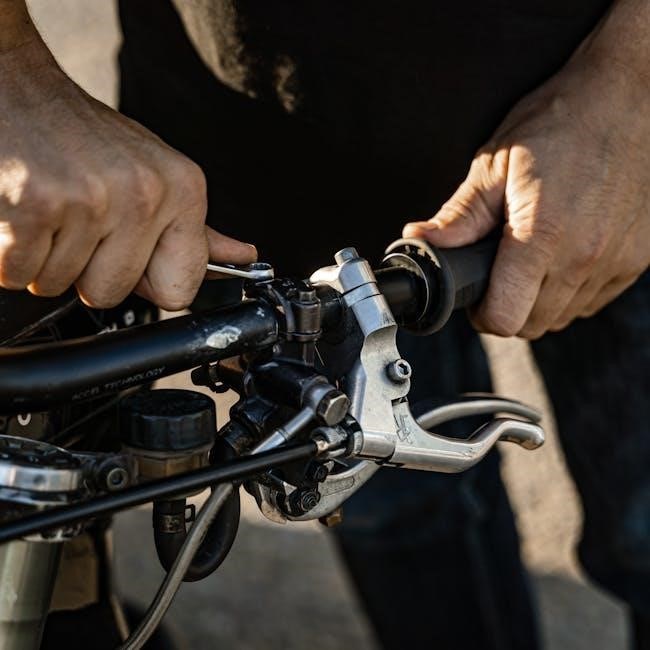
Key components include the steering levers themselves, connecting rods, bell cranks, and pivot points. Regular inspection of these parts is vital to ensure smooth and responsive steering. Troubleshooting involves checking for loose connections, worn linkages, and proper lever movement. Maintaining the steering system guarantees optimal control and operator comfort. Detailed diagrams within the manual aid in identifying and replacing worn or damaged components.
Commonly Replaced Parts
Based on typical maintenance and repair needs for the Cub Cadet ZT1 54, several parts are frequently replaced. These include drive belts, which experience wear and tear from friction and heat. The parts manual provides detailed diagrams for belt routing and tensioning.
Blade replacement is also common, as blades dull with use and can become damaged by debris. Regularly sharpening or replacing blades ensures optimal cutting performance. Additionally, spark plugs require periodic replacement to maintain engine efficiency.
Air filters are crucial for engine health and should be replaced regularly to prevent dirt and debris from entering the engine; Hydraulic fluid filters also need routine changes to maintain hydraulic system performance. Finally, wear items like wheel casters and bearings often require replacement over time. The manual’s parts list facilitates easy identification and ordering of these frequently needed components, ensuring efficient repairs and minimizing downtime.
Troubleshooting Common Issues
The Cub Cadet ZT1 54 Parts Manual is invaluable for diagnosing and resolving common operational problems. A frequent issue is engine failure to start, often linked to a faulty spark plug, a clogged air filter, or low fuel. The manual’s engine section details troubleshooting steps for these scenarios.

Poor cutting performance can stem from dull or damaged blades, incorrect deck height, or a worn drive belt. The manual provides guidance on blade sharpening, deck adjustment, and belt inspection/replacement.
Hydraulic system issues, such as reduced speed or jerky movements, often indicate a low hydraulic fluid level or a clogged hydraulic filter. The manual illustrates the hydraulic system and outlines fluid level checks and filter replacement procedures. Electrical problems, like a non-functioning safety switch, can also be addressed using the manual’s wiring diagrams. Consistent reference to the manual aids in swift and accurate problem resolution, minimizing downtime and repair costs.
Safety Precautions for Repair
Prior to any repair work on your Cub Cadet ZT1 54, consulting the Parts Manual’s safety section is crucial. Always disconnect the spark plug wire from the engine to prevent accidental starting. Wear safety glasses and gloves to protect against flying debris and sharp edges.
When working with the hydraulic system, relieve all pressure before disconnecting any lines. Hydraulic fluid is under high pressure and can cause serious injury. Support the mower securely with jack stands before working underneath it – never rely solely on a jack.
Be mindful of hot engine components and allow them to cool completely before handling. When handling fuel, work in a well-ventilated area and avoid open flames. Dispose of used oil and filters responsibly, following local regulations. The manual emphasizes the importance of understanding the machine’s operation before attempting repairs, ensuring a safe working environment and preventing potential hazards.
Tools Required for Maintenance
Maintaining your Cub Cadet ZT1 54 requires a specific set of tools, detailed within the Parts Manual. Essential items include a socket set (metric and standard), wrenches, screwdrivers (Phillips and flathead), and pliers. A torque wrench is vital for tightening bolts to the manufacturer’s specifications, preventing damage.
For blade maintenance, a blade balancer and sharpening stone are necessary. Hydraulic system work demands specialized tools like hose clamps and a hydraulic pressure gauge. Electrical repairs require a multimeter for testing circuits and connections.
Furthermore, a funnel and drain pan are useful for fluid changes. Jack stands are crucial for safely lifting the mower deck. Having penetrating oil on hand can assist with loosening stubborn bolts. The Parts Manual often references specific tool sizes, ensuring compatibility and efficient repairs. Investing in quality tools will prolong the life of your ZT1 54 and simplify maintenance tasks.
Ordering Parts Online
The Cub Cadet ZT1 54 Parts Manual facilitates online parts ordering by providing precise part numbers. Several reputable online retailers specialize in Cub Cadet parts, offering convenience and competitive pricing. Websites like CubParts.com, Jack’s Small Engines, and Amazon often stock a comprehensive inventory.
When ordering, carefully cross-reference the part number from the manual with the retailer’s catalog to ensure compatibility. Pay attention to model-specific variations, as some parts may differ between ZT1 54 sub-models. Consider shipping costs and estimated delivery times.
Many retailers offer exploded diagrams alongside parts listings, further aiding identification. Secure online payment options are standard. Before finalizing your order, review the retailer’s return policy. Utilizing the Parts Manual streamlines the process, minimizing errors and ensuring you receive the correct components for your ZT1 54.
Interpreting Parts Numbers
The Cub Cadet ZT1 54 Parts Manual utilizes a specific numbering system for each component. Understanding this system is crucial for accurate parts ordering and identification. Typically, a Cub Cadet part number consists of several digits and sometimes letters, encoding information about the part’s function and compatibility.
The initial digits often indicate the component group – for example, engine parts, deck components, or hydraulic system elements. Subsequent numbers specify the precise part within that group. Letters may denote revisions or updates to the original design. Always refer to the manual for the definitive interpretation of each number.
Incorrectly interpreting a part number can lead to receiving the wrong component, causing delays and frustration. Online retailers rely on these numbers for accurate fulfillment. Cross-referencing with the ZT1 54’s parts diagrams within the manual confirms you’ve selected the correct item.
Maintenance Schedules & Manuals Access
Regular maintenance is vital for the longevity and performance of your Cub Cadet ZT1 54. The parts manual complements a separate owner’s manual, which details recommended maintenance schedules. These schedules outline tasks like oil changes, blade sharpening, filter replacements, and lubrication points, categorized by operating hours or time intervals.
Adhering to these schedules prevents premature wear and costly repairs. The manual often includes torque specifications and diagrams to guide these procedures. Accessing additional manuals and resources is often possible through the Cub Cadet website. Many online forums and communities dedicated to ZT1 54 owners also share valuable maintenance tips.
Digital versions of the parts manual and owner’s manual offer convenient access for quick reference during maintenance. Keeping a printed copy readily available is also advisable. Proper maintenance, guided by these resources, ensures your mower continues to operate efficiently for years to come.