H. pylori Breath Test Instructions: A Comprehensive Guide
Navigating Helicobacter pylori (H. pylori) diagnosis involves understanding breath tests‚ with readily available PDF instructions detailing the carbon-13 urea breath test (13C-UBT) process.
What is the H. pylori Breath Test?
The H. pylori breath test is a non-invasive method used to detect the presence of Helicobacter pylori‚ a bacterium commonly found in the stomach. It’s a remarkably robust diagnostic tool‚ offering a comfortable alternative to more invasive procedures like endoscopies. This test specifically measures the amount of carbon dioxide produced in your breath after you consume a special liquid containing urea – a substance H. pylori breaks down.
Essentially‚ if H. pylori is present‚ it will metabolize the urea‚ releasing carbon dioxide that can be detected in your breath. The test‚ often utilizing carbon-13 urea (13C-UBT)‚ is widely employed globally‚ including extensive studies conducted in Taiwan at institutions like Taipei Veterans General Hospital and National Taiwan University Hospital.
Detailed PDF instructions are readily available to guide patients through each step‚ ensuring accurate results. These resources explain the process‚ preparation‚ and what to expect during the test‚ making it a patient-friendly diagnostic option.
Why is the H. pylori Breath Test Performed?
The H; pylori breath test is performed primarily to diagnose an infection with Helicobacter pylori‚ a bacterium linked to various gastrointestinal issues. While many individuals harbor H. pylori without experiencing symptoms‚ its presence can lead to conditions like gastritis‚ peptic ulcers‚ and‚ in some cases‚ even stomach cancer. Identifying the infection is crucial for appropriate treatment and preventing complications.
This non-invasive test offers a convenient way to determine if symptoms – such as abdominal pain‚ bloating‚ nausea‚ or loss of appetite – are related to an H. pylori infection. It’s particularly valuable as a follow-up after treatment to confirm eradication of the bacteria. Studies in Taiwan‚ including those at Chang Gung Memorial Hospital‚ have highlighted the test’s effectiveness.
Comprehensive PDF instructions detailing the procedure are available‚ empowering patients to understand the test’s purpose and prepare accordingly. The breath test aids in guiding clinical decisions and improving patient outcomes related to H. pylori-associated diseases.
Understanding Helicobacter pylori (H. pylori) Infection
Helicobacter pylori (H. pylori) is a bacterium that commonly infects the stomach‚ estimated to affect over half the world’s population. Often contracted in childhood‚ many individuals remain unaware of their infection due to the absence of noticeable symptoms. However‚ when H. pylori proliferates‚ it can trigger inflammation of the stomach lining (gastritis) and ultimately lead to the development of peptic ulcers.
Chronic H. pylori infection is also recognized as a significant risk factor for gastric cancer. The bacteria’s ability to survive in the harsh acidic environment of the stomach is unique‚ allowing it to damage the protective mucosal layer. Diagnosis‚ often aided by breath tests and detailed PDF instructions‚ is vital.
Research‚ including studies conducted in Taiwan at institutions like Taipei Veterans General Hospital‚ continues to refine our understanding of H. pylori’s impact. Effective treatment‚ guided by accurate diagnosis‚ is essential to mitigate the long-term health consequences of this widespread infection.
Pre-Test Dietary Restrictions
Strict adherence to dietary guidelines is crucial for accurate H. pylori breath test results. Typically‚ patients are advised to follow a standard diet for at least seven days prior to the test‚ avoiding specific foods that can interfere with the analysis. These restrictions are often detailed in readily available PDF instructions provided by the testing facility.
Foods to avoid generally include dairy products‚ certain fruits (like apples and pears)‚ and vegetables (such as broccoli and cabbage). Additionally‚ medications like antibiotics‚ bismuth subsalicylate (Pepto-Bismol)‚ and proton pump inhibitors (PPIs) must be temporarily discontinued‚ as outlined in the PDF guidelines.
The purpose of these restrictions is to minimize factors that could artificially elevate breath hydrogen levels or otherwise compromise the test’s accuracy. Careful preparation‚ guided by the PDF‚ ensures reliable results‚ enabling appropriate diagnosis and treatment of H. pylori infection. Confirm specific restrictions with your healthcare provider.
Medication Interference: What to Avoid
Accurate H. pylori breath test results depend heavily on temporarily stopping certain medications that can significantly interfere with the diagnostic process. Detailed PDF instructions‚ typically provided by your physician or testing center‚ clearly outline which medications require discontinuation and for how long before the test.
Crucially‚ antibiotics – even those not directly targeting the stomach – must be avoided‚ usually for at least four weeks. Bismuth-containing medications‚ like Pepto-Bismol‚ and proton pump inhibitors (PPIs) are also major culprits‚ often requiring a cessation period of one to two weeks‚ as specified in the PDF. H2-receptor antagonists may also need to be paused.
These medications can suppress H. pylori‚ leading to false negative results‚ or alter breath gas production‚ impacting test accuracy. Always review the PDF instructions carefully and discuss any concerns or uncertainties with your healthcare provider to ensure a reliable diagnosis and appropriate treatment plan.
Preparing for the Test: The Day Before
Thorough preparation the day before your H. pylori breath test is crucial for accurate results. Your testing center will likely provide a detailed PDF outlining specific guidelines‚ but generally‚ dietary restrictions begin 24 hours prior. Avoid all antibiotics and bismuth-containing medications‚ continuing the suspension outlined in previous instructions.
The PDF will emphasize a diet low in fiber and complex carbohydrates. This means limiting foods like whole grains‚ beans‚ fruits‚ and vegetables. Focus on easily digestible options such as clear broth‚ plain yogurt (unsweetened)‚ white rice‚ and cooked chicken or fish. Avoid sugary drinks and chewing gum.
Strict adherence to these guidelines ensures minimal interference with the test’s ability to detect H. pylori. Review the PDF carefully‚ noting any specific instructions regarding meal timing and permitted snacks. Proper preparation maximizes the reliability of your test results and supports an accurate diagnosis.
The Day of the Test: A Step-by-Step Guide
Following the instructions in your PDF on the test day is paramount for a successful H. pylori breath test. Typically‚ you’ll begin with a fasting period‚ usually at least six hours‚ avoiding food‚ drinks (even water)‚ and smoking. Arrive at the testing center on time‚ prepared to follow the technician’s guidance.
The process begins with a baseline breath sample collection‚ detailed in the PDF‚ using a specialized collection kit. You’ll then consume a urea breath test solution – a clear liquid or capsule – as instructed. Precise timing is critical; the PDF will specify the exact consumption procedure.
Following the solution intake‚ a waiting period of 20-30 minutes is standard‚ during which you’ll remain seated and avoid talking or chewing gum. Subsequently‚ additional breath samples will be collected at specified intervals‚ usually two or three‚ again using the provided kit. The PDF will illustrate proper collection technique for optimal accuracy.
The Carbon-13 Urea Breath Test (13C-UBT) Explained

The Carbon-13 Urea Breath Test (13C-UBT)‚ thoroughly detailed in your PDF instructions‚ is a non-invasive method for detecting Helicobacter pylori infection. It leverages the bacteria’s unique ability to break down urea. The test utilizes urea labeled with a non-radioactive carbon isotope‚ Carbon-13.
You ingest the 13C-urea‚ and if H. pylori is present‚ it will hydrolyze the urea‚ releasing Carbon-13 labeled carbon dioxide (13CO2). This 13CO2 is absorbed into the bloodstream and exhaled in your breath. The PDF will explain how breath samples are collected to measure the levels of 13CO2.
A specialized machine analyzes the breath samples‚ comparing the 13CO2 levels before and after urea ingestion. Elevated levels indicate the presence of H. pylori. The PDF provides a clear explanation of the process‚ ensuring you understand how this diagnostic tool works and what to expect during each stage of the test.
The Hydrogen Breath Test for H. pylori
While the Carbon-13 Urea Breath Test (13C-UBT) is more common‚ a hydrogen breath test can also aid in diagnosing digestive issues‚ potentially linked to Helicobacter pylori. Your PDF instructions may detail this alternative‚ though it’s primarily used to assess other conditions like lactose intolerance or small intestinal bacterial overgrowth (SIBO).
This test measures the amount of hydrogen gas in your breath after consuming a sugar solution‚ typically lactose or glucose. H. pylori can alter gut bacteria‚ impacting hydrogen production. However‚ elevated hydrogen levels aren’t definitive for H. pylori alone; they indicate bacterial fermentation.
The PDF will outline the preparation‚ including dietary restrictions similar to the 13C-UBT. Breath samples are collected at intervals to track hydrogen levels. It’s crucial to understand that this test isn’t a direct H. pylori detector but can provide supporting information. Always refer to your PDF for specific instructions and interpretation guidelines.
What to Expect During the Test Procedure
Your PDF instructions will detail a relatively straightforward process. Upon arrival‚ you’ll likely be asked to confirm adherence to pre-test dietary restrictions. The procedure itself involves breathing into a collection bag or device – initially for a baseline sample. This establishes your normal hydrogen or carbon dioxide levels.
Following the baseline‚ you’ll consume a specially prepared urea breath test solution‚ often flavored to improve palatability. The PDF will specify the exact volume and instructions for consumption. After ingestion‚ a waiting period commences‚ typically ranging from 20 to 30 minutes‚ during which you’ll need to remain seated and avoid talking or chewing gum.
Subsequently‚ you’ll provide several more breath samples at specified intervals‚ again using the collection bag or device. The entire process usually takes around 30-60 minutes. Your PDF will clearly outline the timing of each sample and any specific instructions from the technician.
The Baseline Breath Sample
As detailed in your PDF instructions‚ the initial step involves collecting a baseline breath sample. This crucial measurement establishes your typical breath composition before consuming the urea solution. You’ll be provided with a collection kit – typically a bag or a specialized tube – and clear guidance on proper technique.
The PDF will emphasize the importance of breathing normally‚ avoiding hyperventilation or deep breaths. Usually‚ you’ll be asked to take several normal breaths directly into the collection device‚ ensuring a sufficient sample volume. The technician will verify the adequacy of the sample before proceeding.
This baseline reading serves as a reference point against which subsequent samples will be compared. It’s essential for accurately determining if H. pylori is present. Your PDF may include diagrams illustrating the correct breathing technique and proper sealing of the collection bag to prevent contamination. Following this‚ you’ll promptly consume the urea solution.
Consuming the Urea Breath Test Solution
Following the baseline breath sample‚ as outlined in your PDF instructions‚ you will be asked to drink a specific volume of urea breath test solution. This solution‚ typically containing urea labeled with either carbon-13 or hydrogen‚ is tasteless and generally well-tolerated. The PDF will specify the exact amount to consume – usually a small glass of liquid.
It’s vital to drink the entire solution quickly to ensure accurate results. Your PDF may advise against consuming any food or beverages for a defined period (usually 30 minutes) before and after drinking the solution. This prevents interference with the test’s accuracy. The solution’s purpose is to provide the substrate for H. pylori to metabolize.
If H. pylori is present in your stomach‚ it will break down the urea‚ releasing carbon dioxide. This carbon dioxide is then absorbed into your bloodstream and exhaled in your breath. The PDF will reiterate the importance of adhering to the timing instructions for optimal test performance and reliable results.
Waiting Period and Subsequent Breath Samples
After consuming the urea breath test solution‚ as detailed in your PDF instructions‚ a specific waiting period commences. This timeframe‚ typically ranging from 20 to 30 minutes‚ allows sufficient time for H. pylori to metabolize the urea‚ if present‚ and for the resulting carbon dioxide to be absorbed and exhaled. Your PDF will clearly state the precise duration for your specific test protocol.
During this waiting period‚ it’s crucial to remain seated and avoid any strenuous activity‚ talking‚ smoking‚ or chewing gum. These actions can potentially alter your breath composition and compromise test accuracy; The PDF may suggest quiet relaxation or reading to pass the time.
Following the waiting period‚ you will be prompted to provide one or more subsequent breath samples‚ usually collected at intervals of 15-30 minutes‚ as outlined in the PDF. These samples are collected using the same technique as the baseline sample‚ ensuring consistency and reliable data for analysis.
Breath Sample Collection Technique
Accurate breath sample collection is paramount for reliable H. pylori testing‚ and your PDF instructions will provide detailed guidance. Typically‚ you’ll receive a sterile collection bag or tube. Before the first sample – the baseline – and all subsequent ones‚ you’ll be asked to take several normal breaths.
The PDF will emphasize exhaling deeply and then immediately blowing a sufficient volume of breath into the collection device; The end of the exhale is crucial‚ as it represents the alveolar air‚ which is most representative of carbon dioxide levels in the bloodstream. The bag or tube will have a valve to prevent backflow.
It’s vital to ensure a tight seal around your mouth to avoid air leakage‚ as detailed in the PDF. The technician will verify the sample’s adequacy. Following each collection‚ the bag or tube is sealed and labeled with the corresponding time point. Consistency in technique‚ as illustrated in the PDF‚ is key to accurate results.
Analyzing the Breath Samples: How it Works
Following collection‚ the breath samples undergo sophisticated analysis‚ as detailed within your PDF instructions. The core principle revolves around measuring the levels of carbon-13 (13C) or hydrogen in the exhaled breath. If H. pylori is present‚ it breaks down the urea (containing 13C)‚ releasing 13CO2‚ which is absorbed into the bloodstream and exhaled.
The PDF will explain that a specialized machine‚ typically an isotope ratio mass spectrometer (IRMS)‚ precisely quantifies the 13CO2 levels. A significant increase in 13CO2 compared to the baseline sample indicates a positive result‚ signifying the presence of the bacteria.
For hydrogen breath tests‚ the PDF outlines how elevated hydrogen levels suggest bacterial overgrowth or malabsorption. The PDF will also clarify that laboratory personnel perform these analyses under strict quality control measures to ensure accuracy and reliability. The entire process‚ from sample arrival to result reporting‚ is carefully documented.
Interpreting the Test Results: Positive vs. Negative
Understanding your H. pylori breath test results is crucial‚ and your PDF instructions will provide a clear explanation. A “positive” result‚ as detailed in the PDF‚ signifies the detection of elevated levels of 13CO2 (in the 13C-UBT) or hydrogen (in the hydrogen breath test)‚ indicating the presence of H. pylori in the stomach. This suggests a potential need for treatment to eradicate the infection.
Conversely‚ a “negative” result‚ outlined in the PDF‚ means that the levels of 13CO2 or hydrogen remained within the normal range‚ suggesting that H. pylori was not detected at the time of the test. However‚ the PDF will caution that a negative result doesn’t entirely rule out infection‚ as factors can influence accuracy.
The PDF will also explain that results are typically reported as a Delta over Baseline (DOB) value for the 13C-UBT. A DOB above a specific threshold (often 5‰) is considered positive. Your physician will discuss the results with you and determine the appropriate course of action‚ based on your medical history and symptoms.
False Positives and False Negatives

Acknowledging the possibility of inaccurate results is vital when interpreting your H. pylori breath test‚ as detailed in the accompanying PDF instructions. A “false positive” result‚ explained within the PDF‚ indicates the test suggests an infection when none exists. This can occur due to recent use of certain medications (addressed in the PDF’s medication interference section) or‚ rarely‚ dietary factors.
Conversely‚ a “false negative” result‚ clarified in the PDF‚ means the test doesn’t detect an infection that is present. This is more common and can happen if you’ve recently taken antibiotics‚ proton pump inhibitors (PPIs)‚ or bismuth-containing medications – all outlined in the PDF’s pre-test guidelines.
The PDF will emphasize that strict adherence to pre-test dietary and medication restrictions is crucial to minimize these errors. Factors affecting test accuracy‚ such as incomplete sample collection or improper timing‚ are also addressed in the PDF. If results don’t align with your clinical picture‚ your doctor may recommend repeat testing or alternative diagnostic methods‚ as detailed in the PDF’s follow-up section.
Factors Affecting Test Accuracy
Understanding that several elements can influence the reliability of the H. pylori breath test is crucial‚ and the comprehensive PDF instructions detail these thoroughly. Strict adherence to pre-test preparation‚ as outlined in the PDF‚ is paramount. Recent antibiotic use‚ PPIs‚ and bismuth medications significantly impact accuracy‚ potentially leading to false negatives – a point emphasized in the PDF.
Dietary compliance‚ detailed within the PDF’s restrictions section‚ is also vital. Consuming prohibited foods can interfere with results. Proper breath sample collection technique‚ illustrated in the PDF‚ is essential; incomplete or improperly timed samples can yield inaccurate readings.
The PDF also notes that individual patient factors‚ such as smoking‚ can subtly affect test outcomes. Furthermore‚ variations in laboratory procedures and equipment calibration‚ though less common‚ can contribute to discrepancies. The PDF stresses the importance of following all instructions precisely and discussing any concerns with your healthcare provider to ensure the most accurate assessment of your H. pylori status.
H. pylori Infection and Gastric Ulcers
Helicobacter pylori infection is a primary cause of peptic ulcers‚ including both gastric and duodenal ulcers‚ a fact often highlighted within detailed PDF instructions for breath testing. The bacteria damages the protective lining of the stomach and duodenum‚ making them vulnerable to acid erosion. The PDF materials emphasize early detection via breath tests as a key step in preventing ulcer development and complications.
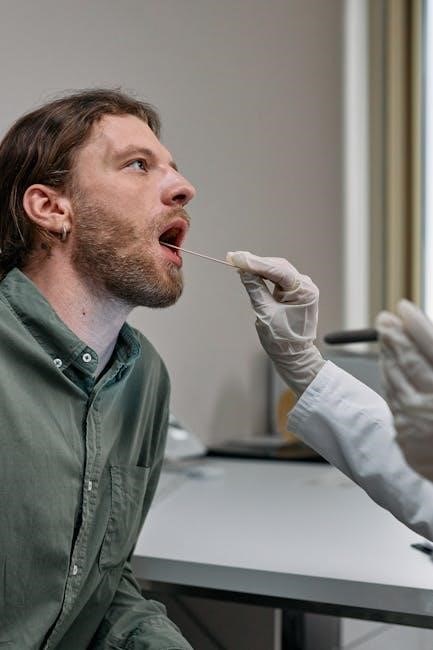
Chronic H. pylori infection can lead to inflammation and‚ over time‚ increase the risk of gastric cancer. The PDF guides often include information about this link‚ encouraging individuals to follow through with recommended treatment if the breath test is positive. Understanding the connection between infection and ulcer formation is crucial for patient compliance with eradication therapy‚ as detailed in supplementary PDF resources.
The PDF instructions underscore that while not everyone infected with H. pylori develops ulcers‚ identifying and treating the infection significantly reduces this risk. Successful eradication‚ confirmed by a follow-up breath test (information found in the PDF)‚ is vital for long-term gastrointestinal health.
H. pylori Prevalence Worldwide
Helicobacter pylori infection affects a substantial portion of the global population‚ with estimates suggesting over half the world’s inhabitants harbor the bacteria. This widespread prevalence is often noted within comprehensive PDF guides detailing breath test procedures for diagnosis. However‚ infection rates vary significantly based on geographic location‚ socioeconomic status‚ and access to sanitation.
Developing countries typically exhibit higher prevalence rates due to factors like crowded living conditions and contaminated water sources. Conversely‚ developed nations generally show lower rates‚ though infection remains common‚ particularly among older adults. PDF instructions frequently acknowledge these disparities‚ emphasizing the importance of testing for individuals with relevant risk factors.
The PDF materials often highlight research‚ such as studies conducted in Taiwan‚ demonstrating regional variations in H. pylori prevalence. Understanding these global patterns is crucial for targeted screening programs and effective public health interventions. Accessing detailed prevalence data is often linked within the PDF resources‚ aiding healthcare professionals in informed decision-making regarding patient testing and treatment.
Research Studies on Breath Tests (Taiwan Example)
Extensive research validates the efficacy of breath tests‚ like the carbon-13 urea breath test (13C-UBT)‚ for Helicobacter pylori detection. Detailed PDF instructions often cite pivotal studies supporting their use. A notable example originates from Taiwan‚ where investigations were conducted across major medical centers – Taipei Veterans General Hospital‚ National Taiwan University Hospital‚ and Chang Gung Memorial Hospital.
These Taiwanese studies focused on evaluating the diagnostic accuracy and clinical utility of 13C-UBT in diverse patient populations. PDF guides referencing this research emphasize the test’s non-invasive nature and high sensitivity and specificity. The research aimed to refine protocols and optimize patient preparation‚ information frequently summarized within downloadable PDF resources.
Furthermore‚ these studies contributed to understanding regional variations in H. pylori strains and their impact on test results. Access to summaries of such research‚ often linked within PDF instruction documents‚ empowers healthcare providers to interpret results accurately and tailor treatment strategies. The Taiwan example showcases the commitment to rigorous validation of breath test methodologies.

Post-Test Instructions and Follow-Up
Following the Helicobacter pylori breath test‚ detailed PDF instructions typically advise a return to a normal diet‚ unless otherwise directed by your physician. It’s crucial to understand that the test itself doesn’t treat the infection; it merely diagnoses its presence. A positive result necessitates further evaluation and likely antibiotic therapy‚ details often outlined in supplementary PDF materials provided by your healthcare provider.
PDF guides emphasize the importance of completing the prescribed antibiotic regimen‚ even if symptoms subside. Follow-up testing‚ usually another breath test (13C-UBT or similar)‚ is recommended 4-8 weeks after completing treatment to confirm eradication of the bacteria. These PDF resources often include schedules for follow-up appointments and medication refills.
Should your test result be negative‚ but symptoms persist‚ discuss this with your doctor. Alternative diagnoses may be considered. Comprehensive PDF instructions will reiterate the need for open communication with your healthcare team regarding any concerns or side effects experienced during or after treatment. Maintaining consistent contact ensures optimal care and monitoring.
Where to Find a PDF of Instructions
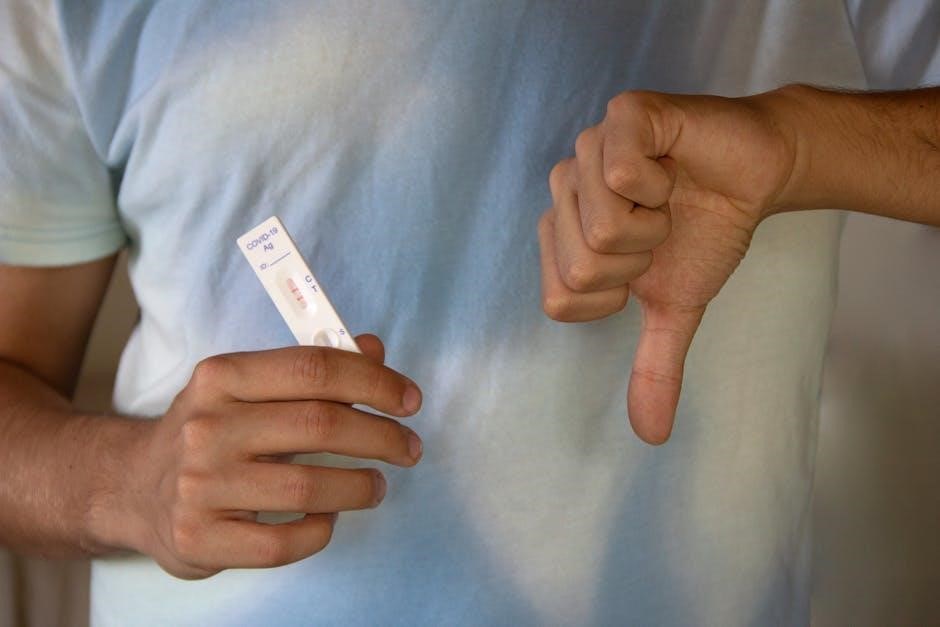
Locating a comprehensive PDF detailing Helicobacter pylori (H. pylori) breath test instructions is often readily achievable through your healthcare provider’s patient portal. Many medical centers‚ like Taipei Veterans General Hospital‚ National Taiwan University Hospital‚ and Chang Gung Memorial Hospital – institutions involved in recent research – offer downloadable PDF guides specifically for patients undergoing the 13C-UBT.
Alternatively‚ a search using keywords like “H. pylori breath test instructions PDF” on reputable medical websites‚ such as those of gastroenterology associations or large hospital systems‚ frequently yields relevant documents. Be sure to verify the source’s credibility before relying on the information. Some diagnostic laboratories performing the test also provide PDF preparation guides directly to patients.
Furthermore‚ your physician’s office should be able to furnish a PDF version of the instructions‚ tailored to their specific protocol. These documents typically cover pre-test dietary restrictions‚ medication interference‚ the test procedure itself‚ and crucial post-test follow-up details. Always prioritize instructions received directly from your healthcare team.